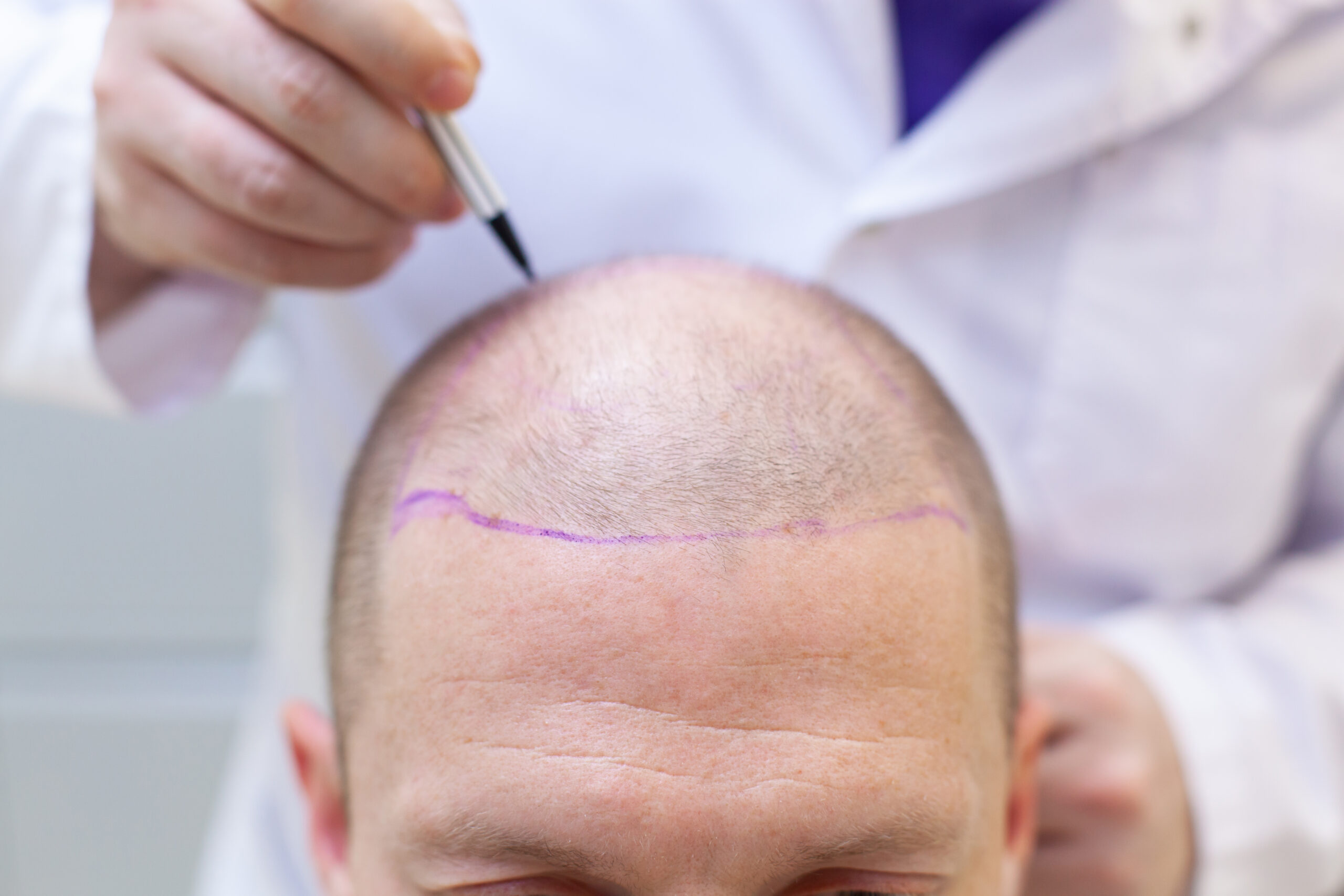
Treatment
Scalp micropigmentation: an honest UK guide
A plain-English introduction to SMP: how it works, who it suits, what the sessions involve and where its limits lie.

Home/Guides
89 researched guides, each with its sources listed. Written for people in the UK deciding whether scalp micropigmentation is right for them.
New to SMP? These three answer most questions in one sitting.
A plain-English introduction to SMP: how it works, who it suits, what the sessions involve and where its limits lie.

What SMP really costs in the UK in 2026, what should be included, and how the bill looks over 10 years once refreshes are counted.
A transplant moves real hair; SMP creates the look of very short hair. Here is how they compare on cost, recovery, results and limits, and when people use both.
How SMP works, who it suits, techniques and what results look like.
Technically, yes. SMP puts pigment into the skin with a needle, so it is a cosmetic tattoo. How it differs from a body tattoo matters more than the label.

Licensing tells you a studio meets hygiene rules, not that the artist is good. Here is how to check both, nation by nation, with a checklist.
Most hair grows back after chemotherapy, so SMP is rarely the first answer. For the minority whose hair stays thin, it can help, once regrowth has had time and your team…
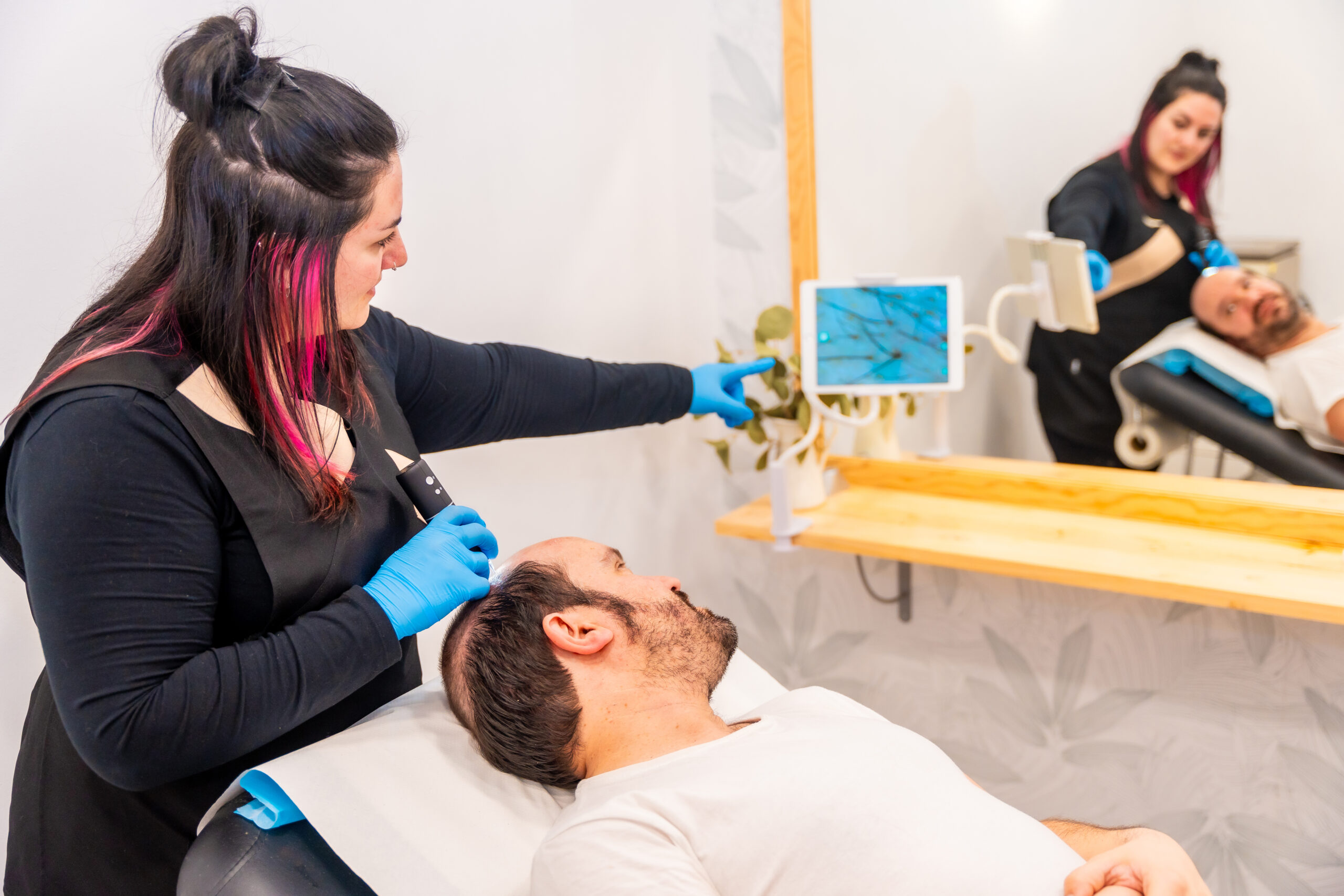
Many people have SMP while taking hair-loss medication. Why stabilising loss comes first, what to ask about pausing minoxidil, and what the MHRA says about finasteride.
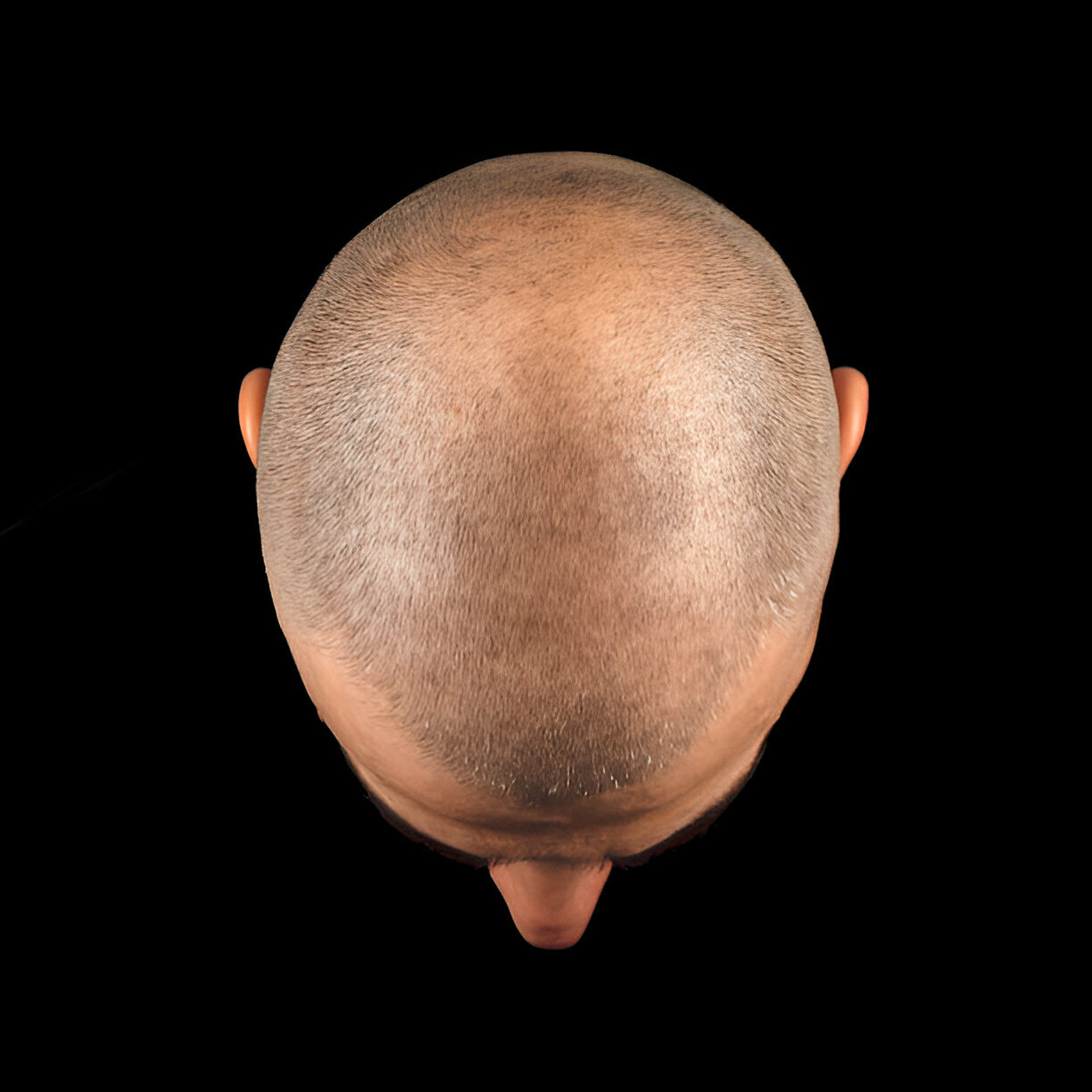
SMP can work with grey, white and fair hair, but the result is lighter and subtler than the dark shaved looks you see online. Here is what to expect.

SMP can make transplanted hair look thicker and hide a thinned donor area. The hard part is waiting long enough for the transplant to show its real result.

A practical guide to SMP on Black and brown skin, from pigment choice and keloid risk to traction alopecia and finding an artist whose healed work matches your skin tone.
SMP can work well for men in their twenties, but early hair loss often keeps moving. How to plan for the scalp you will have in 20 years, not just this year.

SMP can make a thinning crown far less obvious, with or without a full shave. The key decisions are hair length, how the work blends, and what happens if loss spreads.

Reactions to tattoo pigment in MRI scanners are rare and usually brief. SMP has not been studied directly, so tell the radiographer, and never skip a scan you need.
A scalp condition does not automatically rule out SMP, but active skin does. Here is how psoriasis, seborrhoeic dermatitis and eczema change the plan.
A transplant moves real hair; SMP creates the look of very short hair. Here is how they compare on cost, recovery, results and limits, and when people use both.
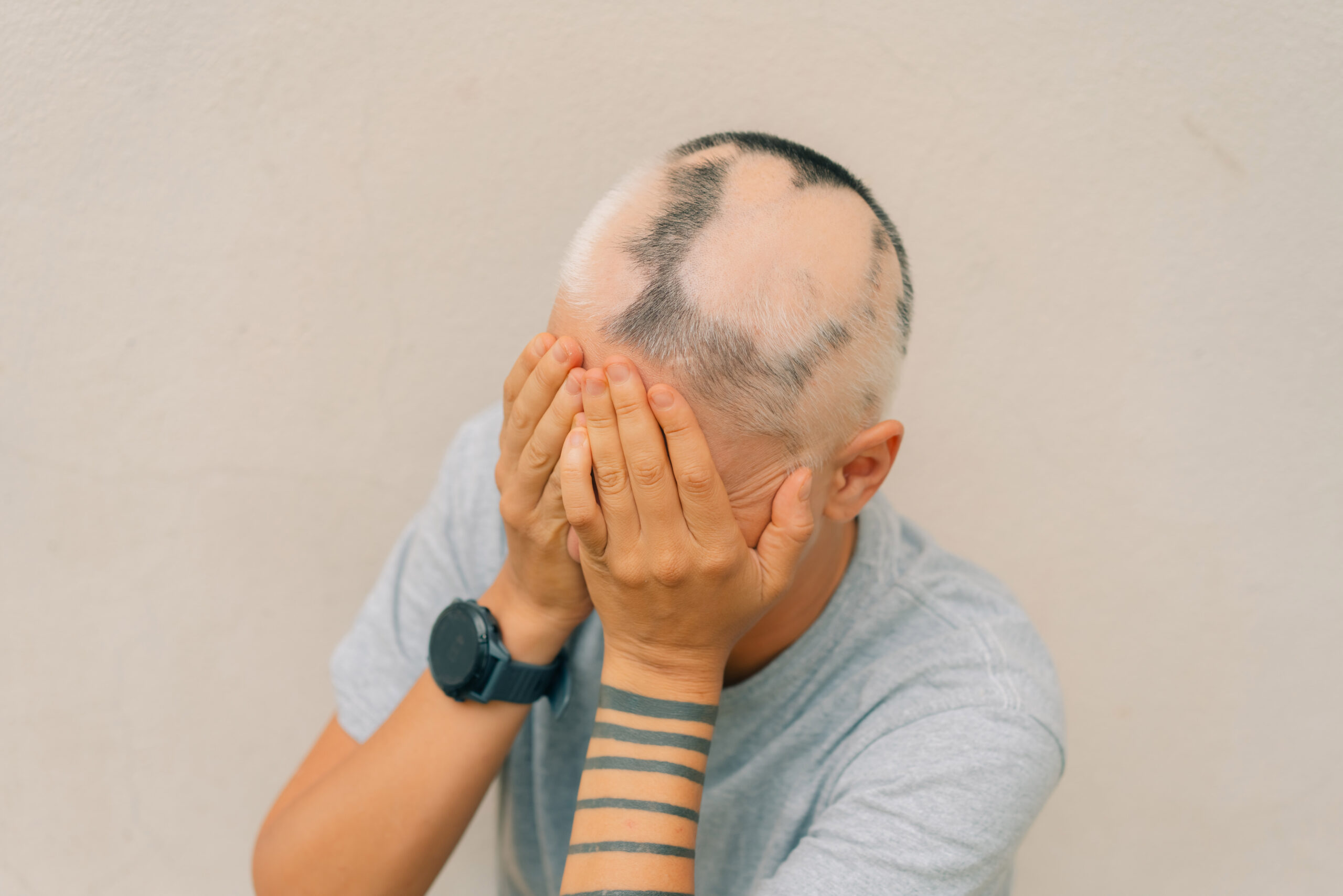
What SMP can offer people with alopecia areata, totalis, universalis or scarring alopecia, why timing matters so much, and how to weigh patch camouflage against a full sh…

From medical tattooing to a dedicated hair-loss technique: a verified history of SMP, its tools and pigments, and what is likely to change next.
Good SMP passes as a fresh buzz cut at normal distance. Here is what separates convincing work from the obvious kind, and how to judge a portfolio.
A plain-English introduction to SMP: how it works, who it suits, what the sessions involve and where its limits lie.
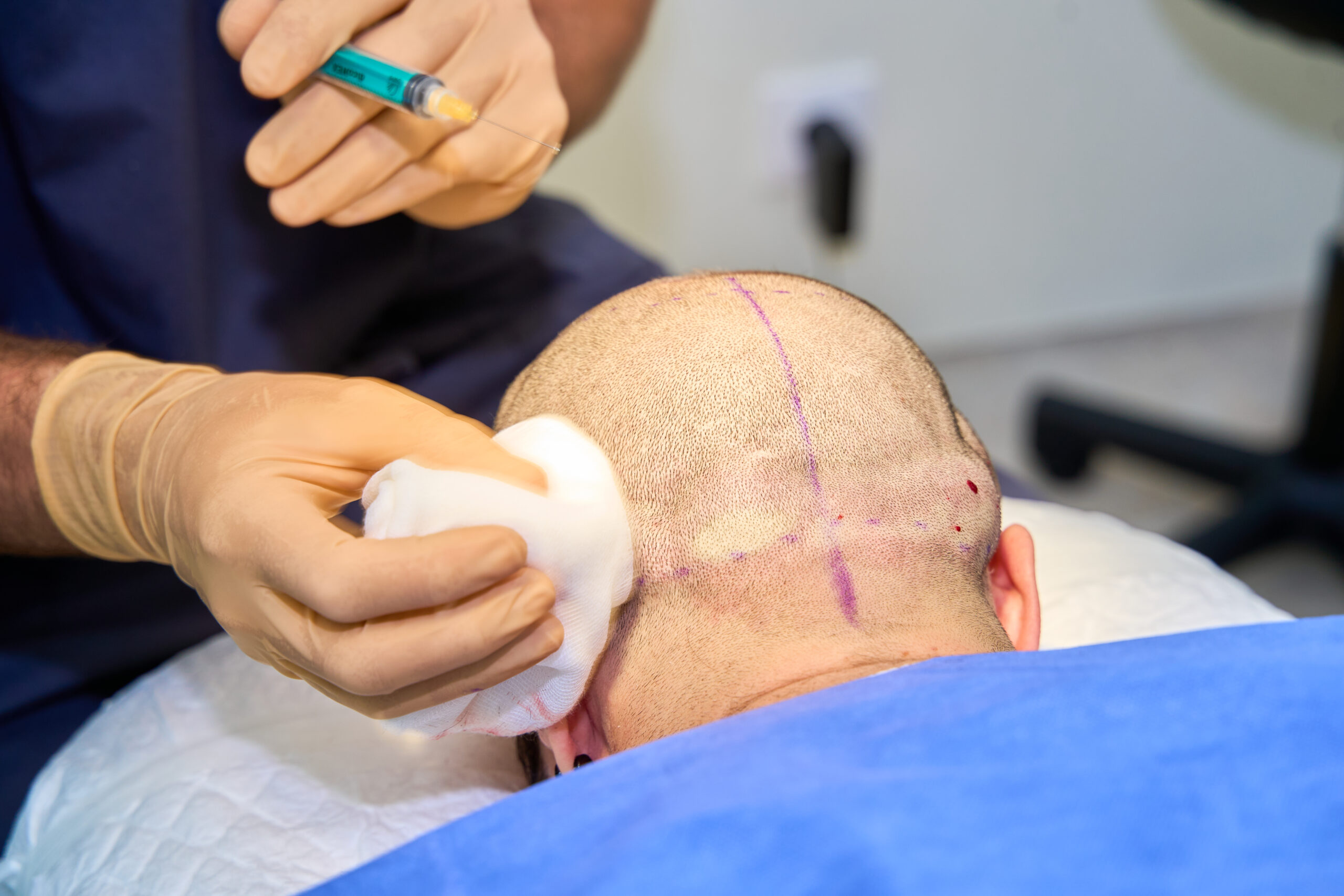
A practical guide to camouflaging FUT strip scars and FUE dot scars with SMP: what it can hide, what it can't, and what it costs.
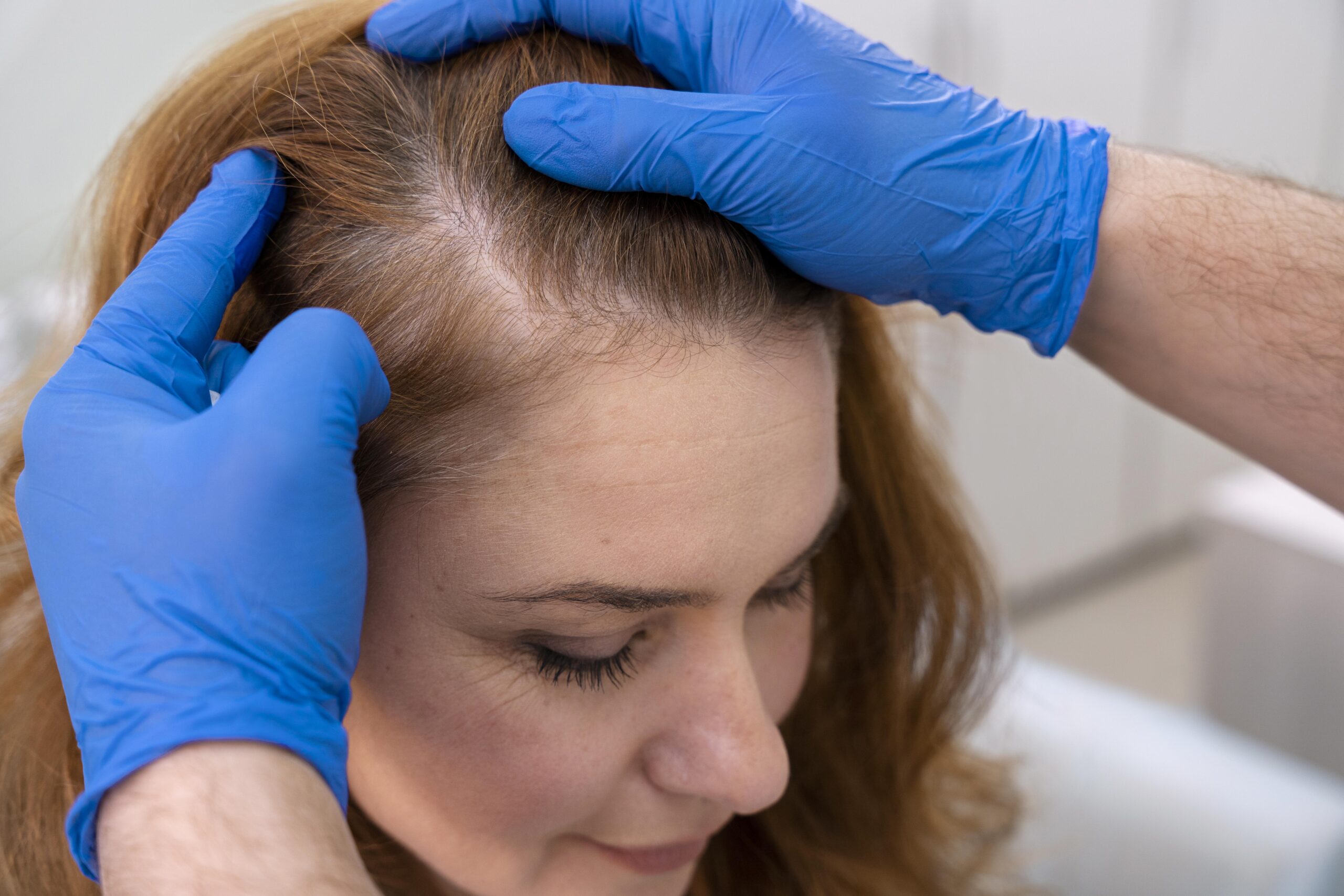
An honest guide to SMP for women: what it does for a widening parting, what it cannot do, the health checks to have first, and what it costs.
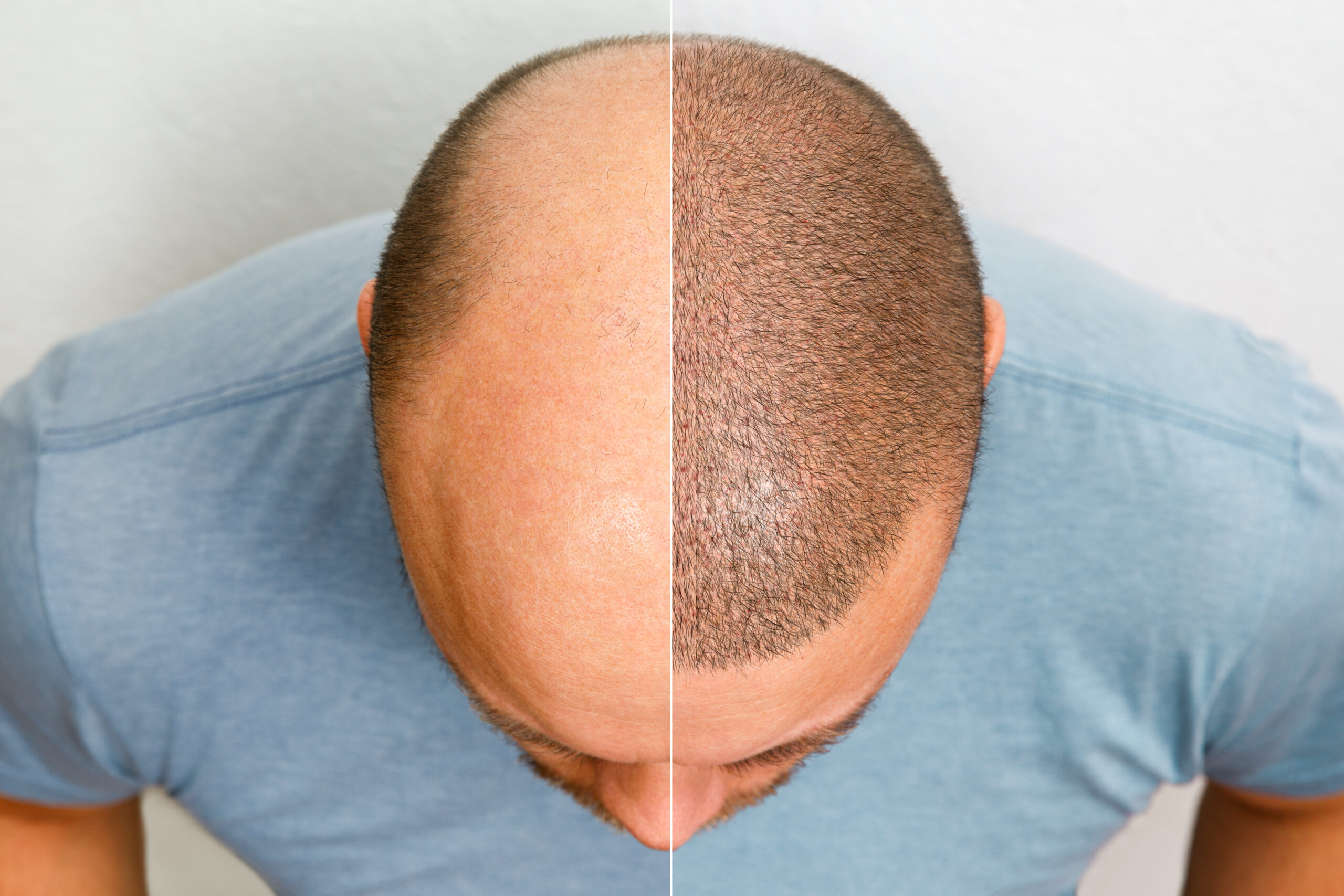
What scalp micropigmentation can do at each stage of male pattern hair loss, how to pick a hairline that will age well, and what it costs in the UK.

An honest comparison of every main hair-loss option in the UK, from pharmacy minoxidil to transplants and SMP, including what the NHS will and will not pay for.
An honest look at AI SMP assessments, including ours: what they are good at, where they fall short, what happens to your photo, and why you still need a patch test.
From first consultation to a settled result usually takes around two to three months. Here is the full timeline, session by session.

Density SMP lets you keep your hair long while the scalp underneath shows through less. Here is how it works, who it suits and where it falls short.
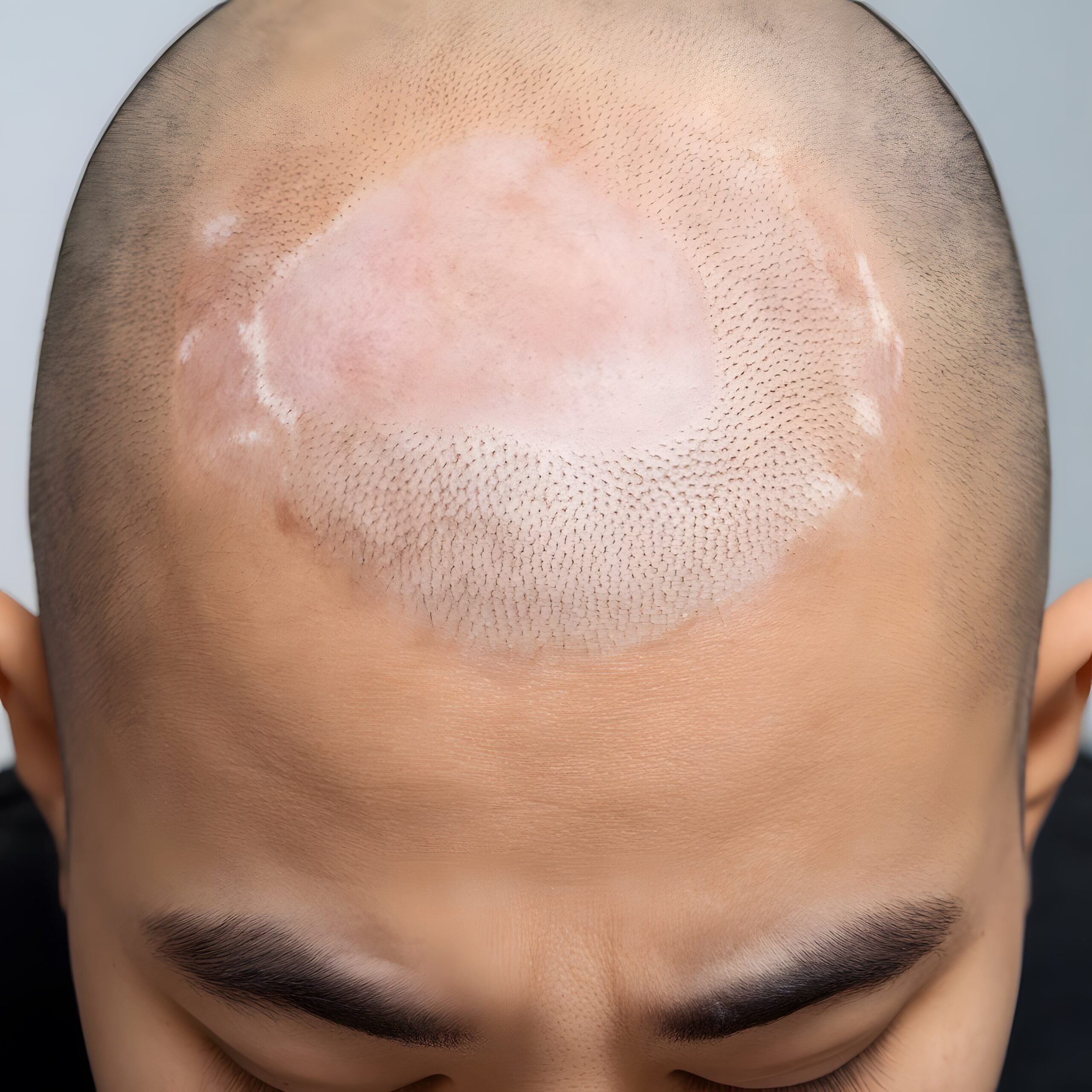
How scalp micropigmentation, often called a hair tattoo, can disguise scars from accidents, operations and burns, and when to wait.

The right shade is what stops SMP looking drawn on. Here is how matching works, why some pigment turns blue, and what UK law says about inks.

3D SMP is not a different treatment. It is a name for layering shades and dot sizes over several sessions, which good artists do anyway.
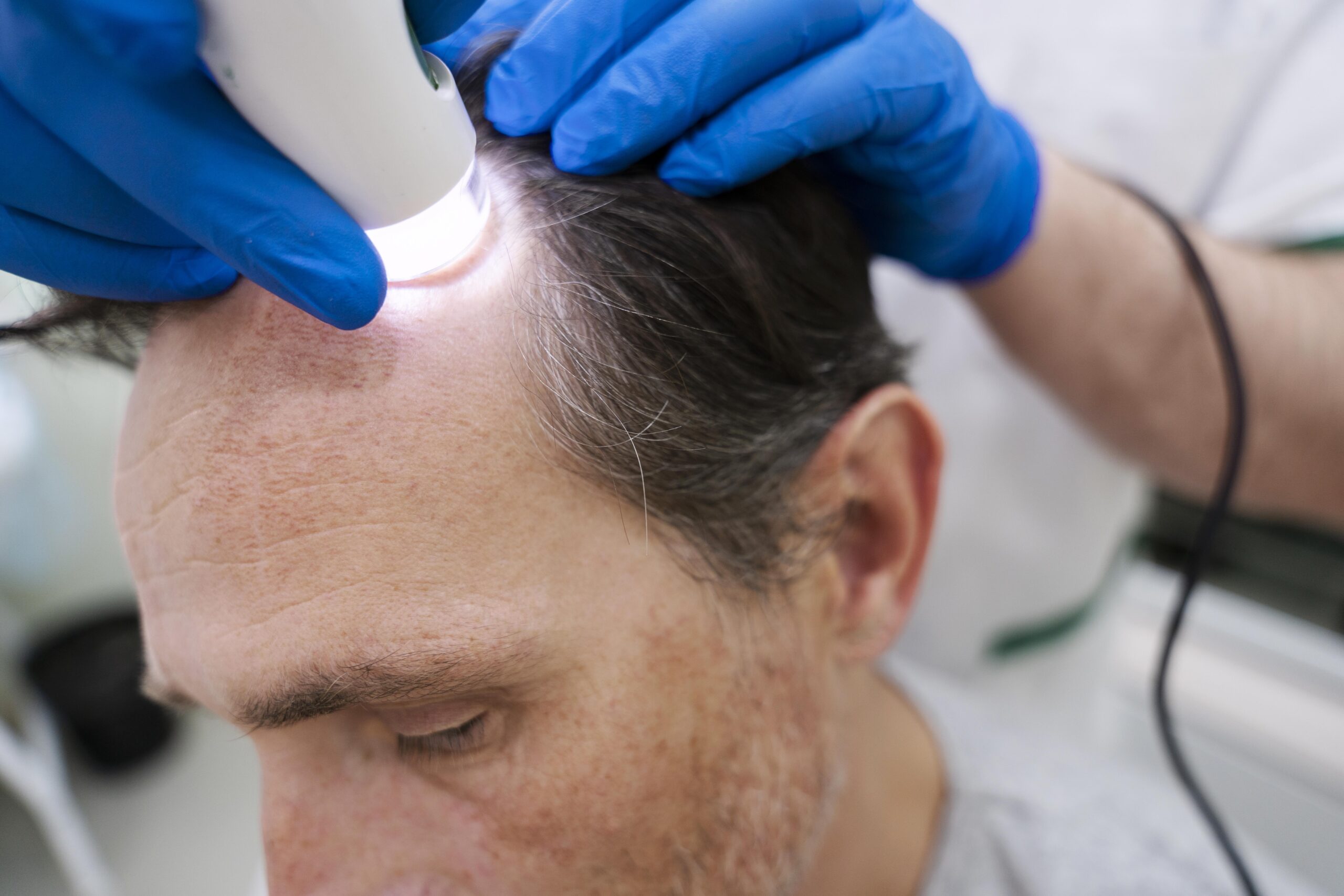
The hairline is the part of SMP people notice first. Here is how a natural one is placed, shaped and agreed before any pigment goes in.

A plain-English guide to the hair follicle and its four-phase growth cycle, and what it means for shedding, pattern hair loss and scalp micropigmentation.

Snapped ends and shed roots point to very different problems. How to tell breakage from hair loss, what causes each, and when it is time to see a GP.
Causes, conditions and when to see a doctor, explained from NHS and dermatology guidance.
A receding hairline in a woman after the menopause, or thinning eyebrows, can be frontal fibrosing alopecia. Here is how to spot it, why early treatment matters and what…
Why the parting widens, how doctors tell pattern loss from shedding, which treatments have evidence, and how to make the most of a GP appointment.

What alopecia areata is, how likely hair is to regrow, which treatments the NHS offers at each level of severity, and what the JAK inhibitor approvals mean in practice.

Genes and DHT, the Norwood stages, what a GP can and cannot do, and an honest look at the treatments that work and the ones that mostly sell.

Low iron can contribute to hair shedding, especially in women, but the evidence is more mixed than many products suggest. Here is what is known, and what to ask your GP.

Shedding after birth is common and usually temporary. Here is the realistic timeline, what helps, what is just marketing, and when to see a GP.
Thinning around the menopause is common, but it is not one condition. Here is how to tell the patterns apart, what HRT can and cannot do, and the options that have eviden…
Tight styles can thin the edges slowly and quietly. How to spot traction alopecia early, what helps hair recover, and what to do if the loss is permanent.
Both an underactive and an overactive thyroid can thin your hair. Here is what it looks like, how it is diagnosed, and what to expect once treatment starts.
Sudden shedding a few months after illness, stress or childbirth is usually telogen effluvium. Here is the timeline, the triggers and when it is worth seeing a GP.
Medication, transplants, hair systems and everything else, compared honestly.
The two main ways of harvesting hair for a transplant leave different scars and use your donor hair differently. How FUE and FUT compare, and why neither is simply better…
Finasteride is one of the two main medicines for male pattern hair loss. Here is how it works, how long it takes, what the MHRA now says about side effects, and how to ge…
Turkey is the best-known destination for cheaper hair transplants. What UK and Turkish surgical bodies say you should expect as a minimum, and how to plan aftercare once…
Modern hair systems look nothing like the toupees of old, but they come with a maintenance routine. How they attach, how long they last, what pushes up the cost, and how…
Hair fibres and concealers are a quick, cheap way to make thinning hair look fuller, as long as you know what weather, sweat and a pillow will do to them.
Home laser devices for pattern hair loss have some trial evidence behind them, but the studies are short and the gains modest. Here is how to judge one before you buy.
Platelet-rich plasma may add a modest amount of density for some people with pattern hair loss, but the trials are small and mixed. Here is what you are paying for, and w…

Minoxidil is the hair-loss treatment you can buy at a chemist. How the foam, liquid and low-dose tablets compare, why it can make shedding worse at first, and how long to…
Courses, qualifications, licensing and building real skill.

Tattooists start SMP with real advantages and one dangerous instinct: to go deeper and pack more pigment. What carries over, what has to be unlearned, and how to retrain.

Three very different things get sold as accredited SMP training. Here is how to tell a regulated qualification from a CPD badge or an academy certificate, and how to chec…
Every SMP session breaks the skin. This is the working routine that protects your clients and you, from setting up the station to dealing with a needlestick injury.

There is no single SMP licence, but every UK nation controls the work through councils. Here is what an artist needs in England, London, Scotland, Wales and Northern Irel…

Barbers see hair loss before anyone else. Turning that into an SMP service means a licence, a separate room, new insurance and a long apprenticeship. Or a good referral p…

Practice skin teaches your hand; only living scalps teach depth. How to get from one to the other, and how to photograph the results honestly.
There is no national standard for SMP courses, so the burden of judging them falls on you. Here is how to do it.

Online courses are good at theory and poor at the one thing that makes SMP hard: feeling and judging live skin.
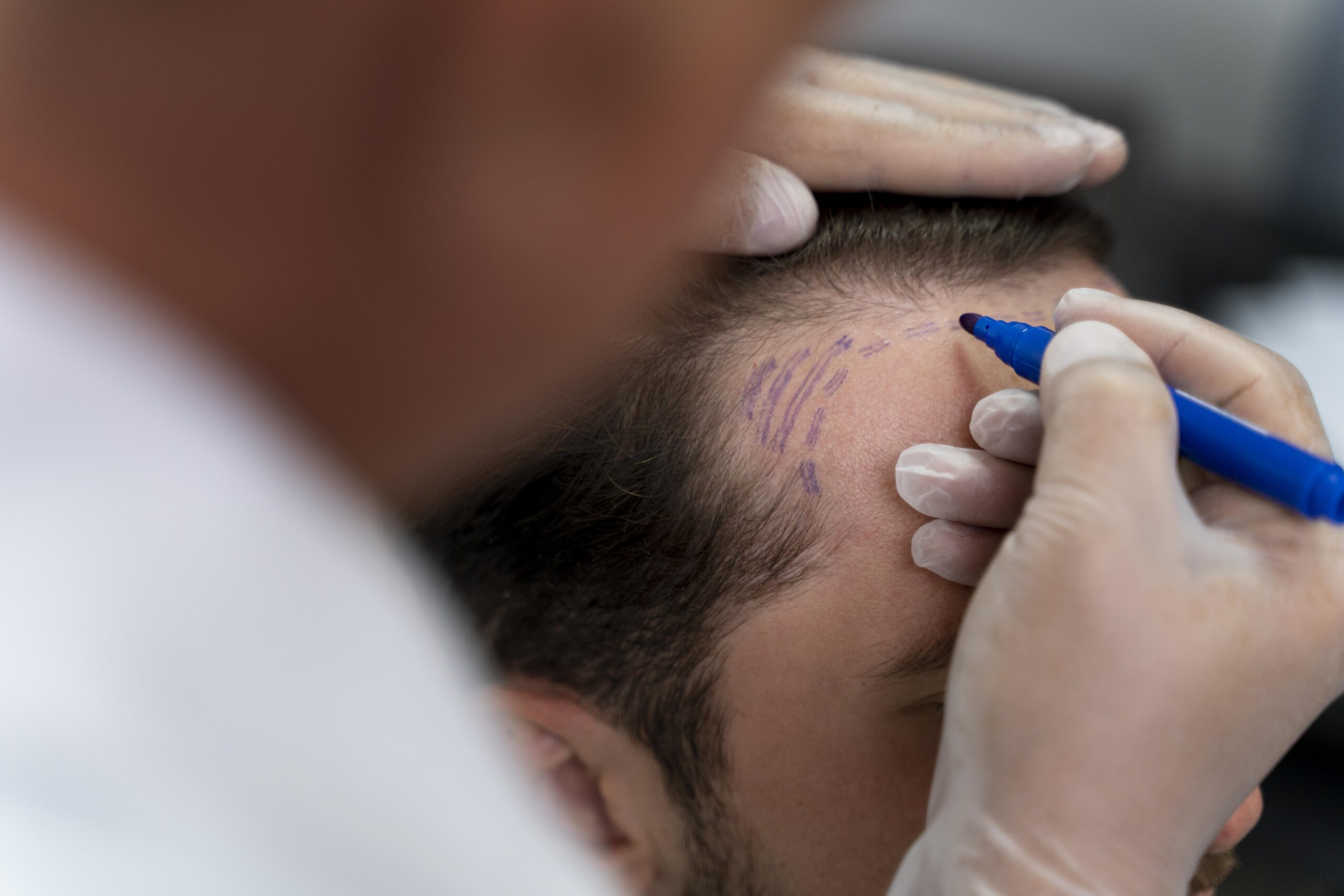
Local is convenient, but the right course may be a train ride away. How to search, visit and decide.
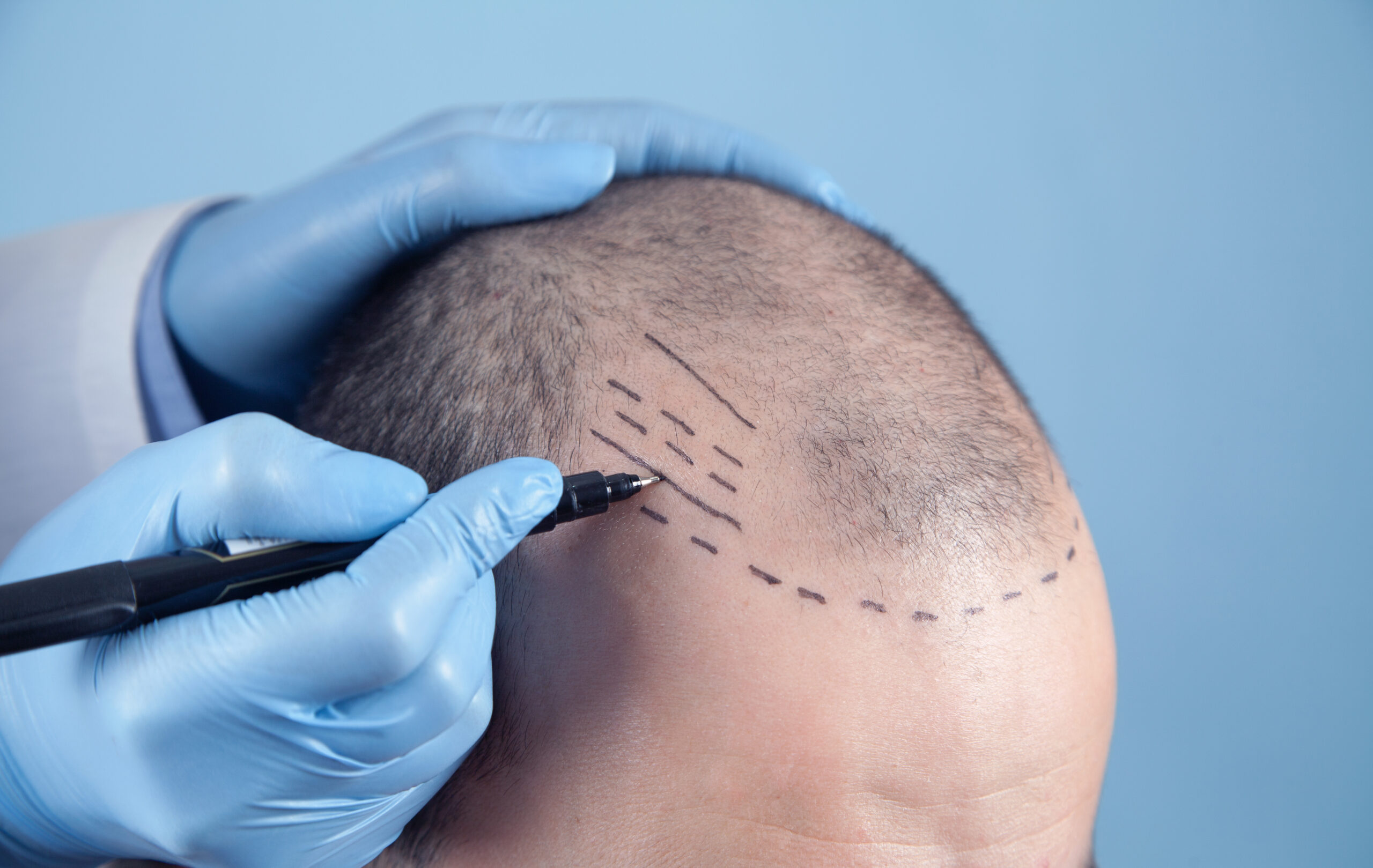
Steady demand and rewarding work, set against a crowded market, hard physical graft and income that swings. Who it suits.
Machines, needles, pigments, hygiene and the rules behind them.
How licensed numbing creams work before scalp micropigmentation, how to buy and apply them safely in the UK, and the conditions and medicines that mean you should check f…

A plain guide to SMP needle cartridges for artists and trainees: groupings, taper, diameter, and why the needle is only one part of getting a clean, stable dot.

A neutral guide to the machine in an SMP artist's hand: how rotary pens and coils differ, what stroke and hit really mean, and the features that matter for thousands of f…
A precise guide to tattoo and SMP pigment rules across the UK: the EU restriction in force in Northern Ireland, the GB decision still waiting to become law, and what arti…

A practical checklist for new SMP artists: the core kit, the single-use consumables behind every session, and how to handle sharps and clinical waste properly in the UK.

What is actually in an SMP pigment bottle, how dilution works, why healed dots can drift blue, and how to read a label and safety paperwork before you buy.
Starting, pricing, marketing and running an SMP business properly.

How to market a scalp micropigmentation clinic honestly and effectively: the ASA rules on before-and-after photos and offers, the CMA's fake reviews ban, and local search…
A transparent, step-by-step way to set scalp micropigmentation prices from your own costs, with illustrative worked examples and the consumer rules on deposits and price…

The premises rules behind SMP registration in England, translated into floor plans, sinks, lighting and storage, with what the council inspector will look at.

Which insurance a scalp micropigmentation business needs, what each policy actually covers, the questions insurers ask, and your legal duty to give them the full picture.

A practical guide to SMP consent forms, medical questionnaires and client records: what to ask, what UK GDPR requires for health data, and setting a retention period you…

The paperwork, in the right order: choosing a business structure, registering with HMRC or Companies House, licensing, insurance and what to budget for in year one.
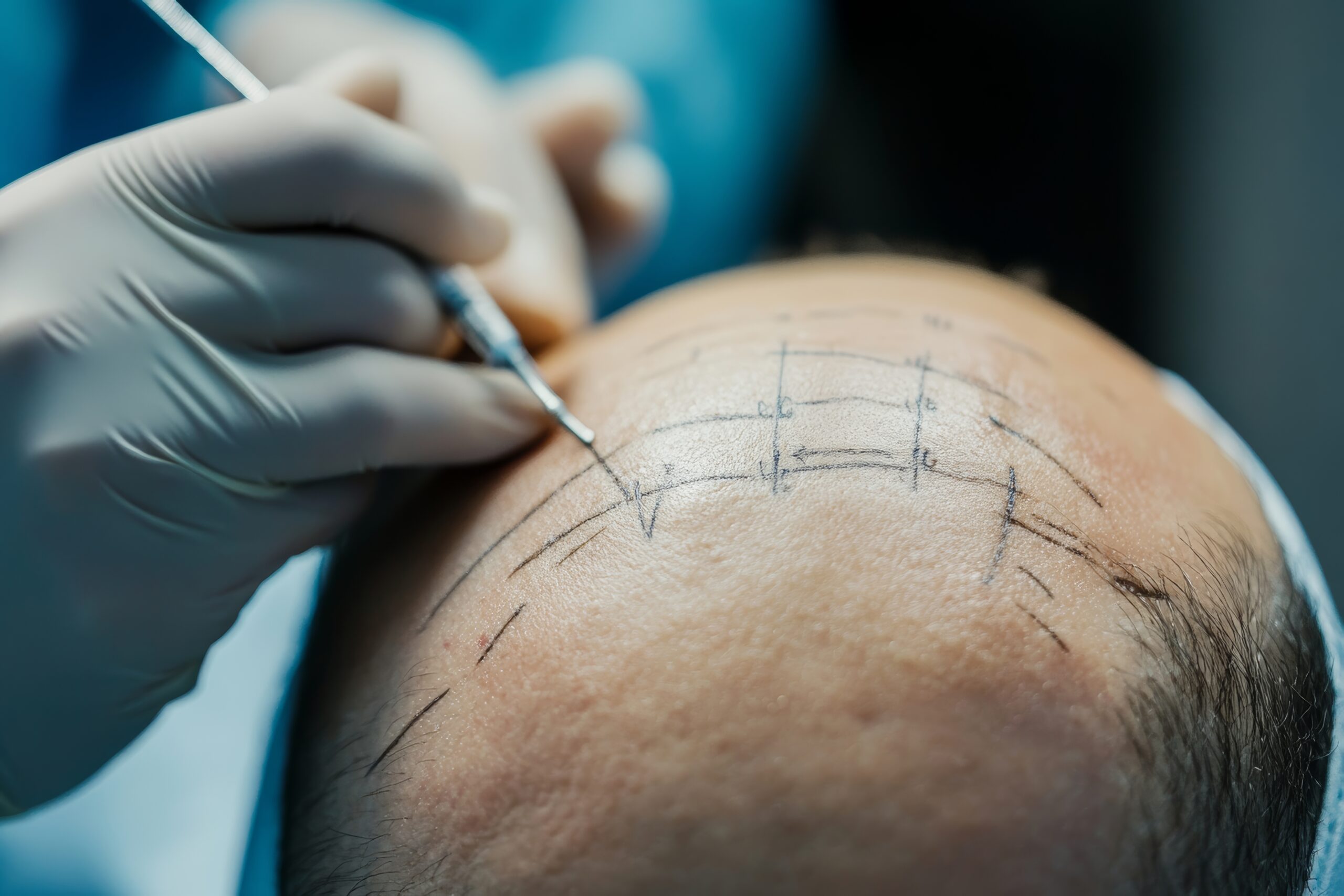
The practical route from beginner to registered SMP artist, nation by nation, with the paperwork most courses skip over.

The course takes days. Getting good takes far longer. A month-by-month look at what really sets the pace.
No reliable average exists, so we built the numbers instead: three illustrative scenarios, from part-time to full-time to employed.
Healing, shaving, sun, sport and keeping results crisp for years.
SMP does not stop your hair growing, but a style designed for a shaved head rarely survives a grow-out. Here is what changes, and how to plan for it.

Shaving is what keeps SMP looking like stubble. Here is when to start after a session, which tool to use, how often, and how to keep your scalp calm.
What to do, and what to avoid, after each SMP session, from the first night to the long term, with a clear timeline and checklist.

What a scalp actually looks like as SMP heals, from the dark, raised dots of day one to the faded ghost stage and the settled result, and why each session differs.
Sweat, chlorine, sea water and saunas all affect fresh SMP differently. Here is a realistic timetable for getting back to training and swimming, and how to protect healed…

Ultraviolet light is the main thing you can control that fades SMP. Here is how to choose and use sunscreen on a shaved scalp, plus hats, holidays and sunbeds.
SMP usually softens over three to six years before it needs a refresh. Here is why it fades, how to slow it, and a year-by-year picture.
Costs, consultations, choosing well, risks and your rights.
Almost any SMP looks good on the day it is done. Here is how to tell a healed, honest result from a flattering photo, and what UK advertising rules require.
Redness and tenderness are normal after SMP. Infection, allergy, blurring and colour shift are rarer. Here is how to tell them apart.

A patch test is a sensible first step before SMP, but it cannot rule out every reaction. Here is what it tells you, what it does not, and the legal position for under-18s…
Buy now, pay later became FCA-regulated in July 2026, but not every SMP payment plan is covered. Here is what protects you, and what to check before you borrow.
A good SMP consultation is an assessment, not a sales pitch. Here is what should happen in the room, what to ask, and how to tell a good answer from a worrying one.

Unhappy with your SMP? What the law says about reasonable care and skill, how to complain in writing, who to report to, and when a court claim makes sense.
Unhappy with your SMP? The options are laser removal, saline lightening or corrective work. Here is what each involves and how long it really takes.
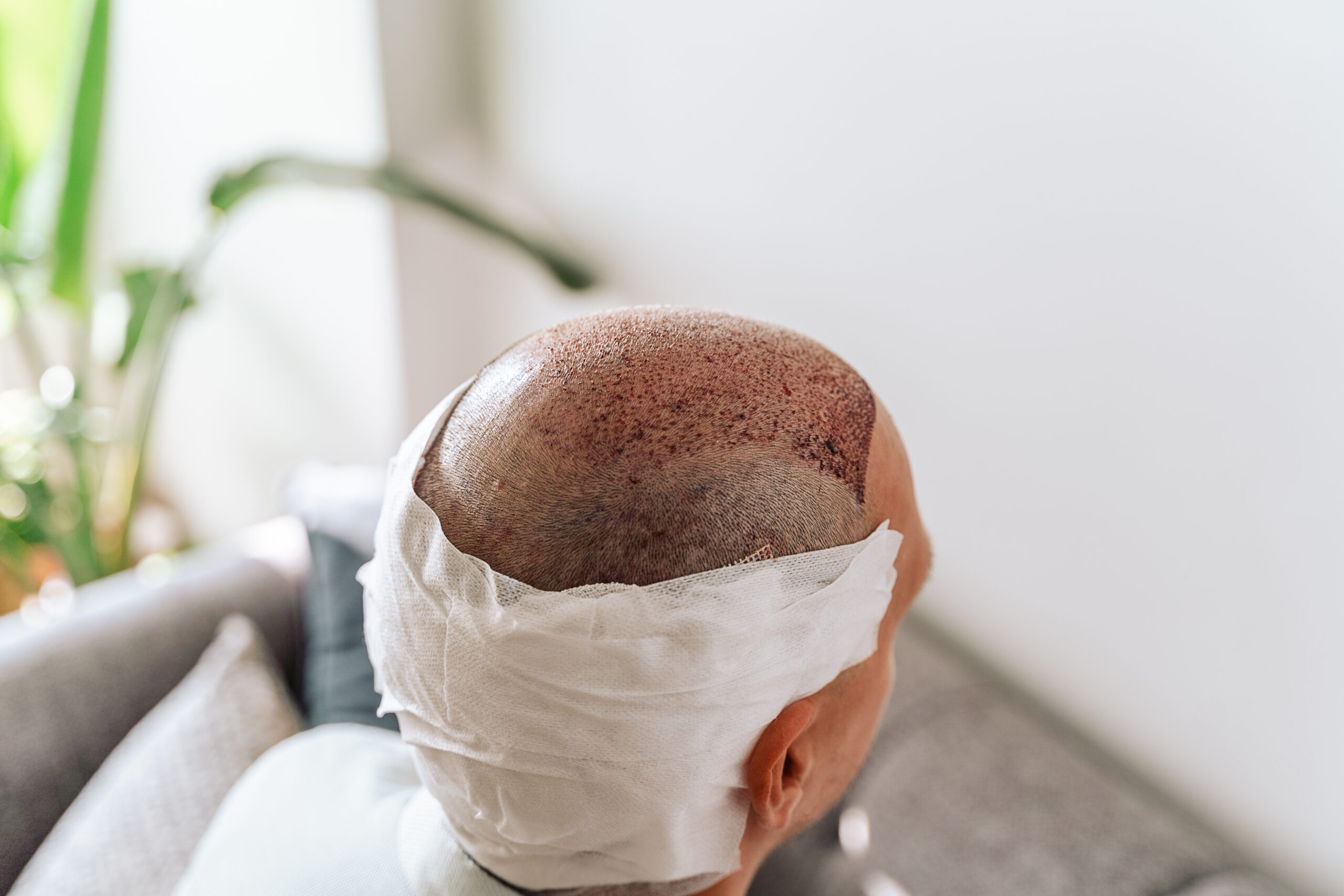
Most people rate SMP at about 3 or 4 out of 10. Here is what it feels like, where it stings more, and how to make sessions easier.
What SMP really costs in the UK in 2026, what should be included, and how the bill looks over 10 years once refreshes are counted.
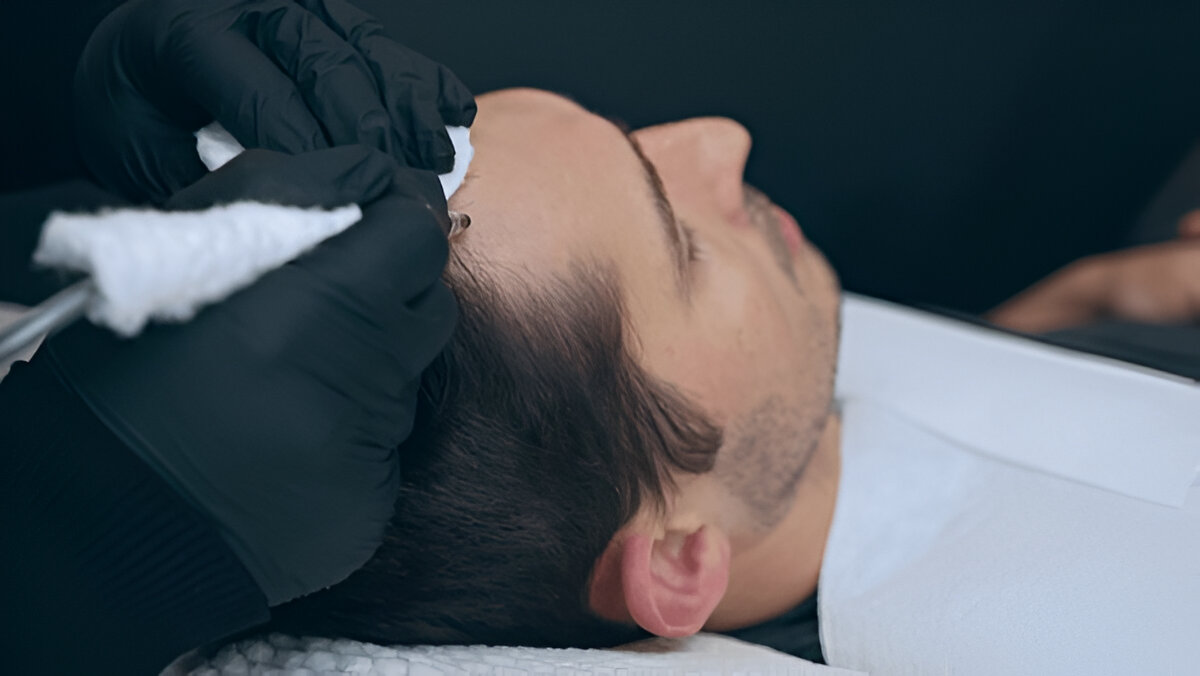
SMP pigment sits in the upper dermis, well above the base of a hair follicle. Here is what that means for the hair you still have.
No guides match that search. Try a simpler word, or look it up in the glossary.
Free SMP assessment
Seven questions and an optional photo. Get your suitability score, likely sessions and a UK price range for where you live in about two minutes.